In today's crowded market, everybody and their cousin is competing on price, features, and "quality" (whatever that even means anymore, am I right?) But here's the thing I've learned over almost two decades of doing this - the brands that actually stick around aren't selling a feature list. They're selling a feeling. Specifically? Security. Confidence. That deep exhale of "okay, this one thing is handled."

Building a brand around that promise means really understanding your customer's psychology, and then, this is the part everybody skips, actually delivering on it every single time. Not just in the sales pitch. In the follow-through. That's how you go from "one-time customer" to "raving fan who tells all her friends."
When you promise to take a worry off someone's plate, you're not just handing them a product. You're handing them permission to stop thinking about the problem and focus on what actually matters to them.
What "Peace of Mind" Truly Means
Selling security means selling the absence of a problem, not just the product that solves it. I see this play out across so many industries. A cybersecurity company isn't really selling software - they're selling "you can stop lying awake wondering if you got hacked." A financial planner isn't selling spreadsheets - they're selling "your family's future is actually going to be okay."
Same idea with a service like the Life Assure personal medical alert system - it gives families peace of mind that their aging loved ones can live independently and safely. The real product isn't the device. It's the relief of knowing help is one button-press away. That relief? That's what you're actually selling, even if it's not what's on the price tag.
Crafting Your Brand Narrative
Your brand story is how you communicate that promise, and here's where a lot of businesses go wrong - they lean into fear. "Look at all the terrible things that could happen to you!" No thank you. Nobody wants to buy from the brand that scared them into it.
The story isn't about the storm. It's about being warm, dry, and totally unbothered inside while the storm rages outside. That's the vibe. This means understanding the power of brand narrative and using it to connect with your audience emotionally!
So ask yourself: does your service let a small business owner finally take a real vacation for the first time in years (I don't know about you, but that hits close to home!) Does your product let an older adult keep living in their own home, on their own terms, with confidence? Build your story around those moments of freedom - not the disaster you're helping them avoid.
Visuals That Convey Security
Your visual identity has to back up what you're promising, or the whole thing falls apart. The colors, fonts, and images you pick all need to work together to say "calm" and "trustworthy" - not "chaotic Pinterest board at 2am."
Color Palette: Blues and greens tend to read as tranquil, stable, healthy. Earthy tones feel grounded. Skip anything jarring, loud, or aggressive - save that energy for your Etsy sale banner, not your brand identity.
Typography: Clean, easy-to-read fonts win here. Sans-serif tends to feel modern and direct; a classic serif can lean traditional and authoritative. Either way - clarity over cute, every time.
Imagery: Show the after, not the before. Instead of a house getting broken into, show the family having a cozy movie night, totally at ease. Instead of someone in distress, show them out there living their life - hobbies, daily routines, the whole thing. Your visuals should basically be a preview of the life your customer gets once the worry is gone.
Communicating Reliable Support
If your brand's whole promise is "we've got you," your customer support can't be an afterthought - it IS the product. I learned early on (back in my real estate days, actually) that people don't remember the smooth transactions. They remember exactly how you showed up when something went sideways. A promise of safety falls apart instantly the second someone can't reach you when they actually need help. This is one of the most essential branding strategies for service companies.
So your support systems need to be strong, responsive, and easy to access - not buried behind six menus and a chatbot that doesn't understand the question. That means clear contact info, multiple ways to reach you (phone, email, chat), and a team trained to handle questions with actual empathy, not a script. If you're a 24/7 service, this reliability isn't a nice-to-have - it's often THE reason people choose you and stay.
Testimonials and Trust Signals
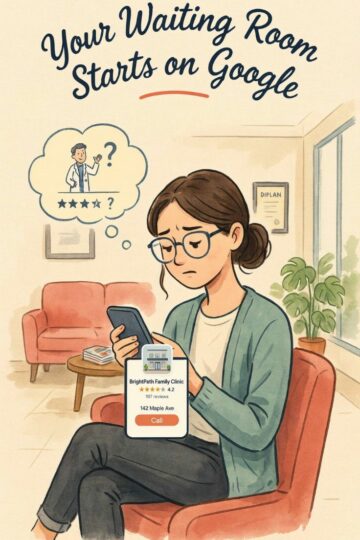
New customers can't "test drive" a feeling of security before they buy - so they go looking for proof that other people trusted you and it worked out. Testimonials and reviews are gold here because they're real stories from real humans, not you talking about yourself (nobody trusts that, myself included!) Share the specific stories - what problem did you solve, and what did that actually change for them?
Beyond reviews, a few other trust signals worth stacking up:
- Industry certifications or accreditations
- Awards and recognitions
- Clear, transparent pricing (no hidden fee surprises - we've all been burned)
- Partnerships with other respected names in your space
Every one of these makes it just a little easier for a potential customer to say "okay, I trust this" and actually hit buy.
At the end of the day, a brand built on this kind of foundation doesn't just rack up customers - it earns advocates. When you actually deliver on a promise of security, over and over, you build something that goes way deeper than the product itself!